
Where High Performance Feels Human
The experience that reshaped how I build teams that perform without burning people out
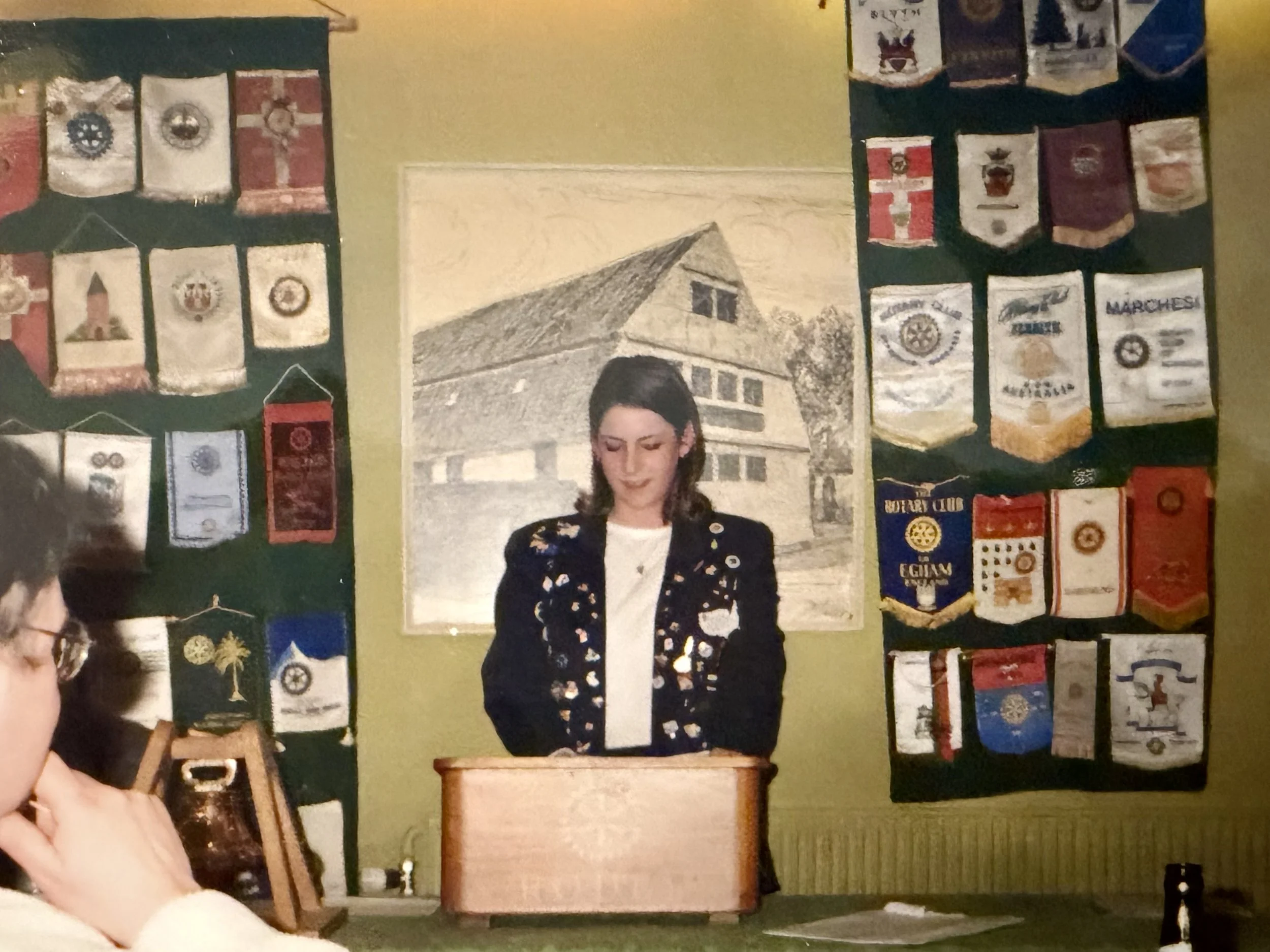
It was the summer of 1996, and I was 16, standing in an airport, about to leave home for a year.
I was headed to Denmark—a place I could barely find on a map, to live with three different families and learn a language I didn’t speak.
I thought I was signing up for an adventure. I didn’t realize I was beginning a relationship with a country and culture that would shape how I think about people, leadership, and work for decades to come.
Three Trips. One Lasting Influence.
That first trip as a 16-year-old exchange student introduced me to a word I’d never heard before: hygge (pronounced hoo-gah).
I searched for a translation, but there really wasn’t one. Hygge was more than a word. It was a feeling, an experience, and a shared understanding that seemed to show up everywhere.
At the time, I mostly associated it with atmosphere and spending time together. It took me years to appreciate that there was something deeper underneath it: how people show up for one another, including at work.
The Danes weave hygge into their everyday routines and vocabulary. Parents tell their kids to “hygge” when they spend time with friends and ask afterward whether they had a “hyggelig” time together.
I learned the Danes love combining hygge with other words to capture different moments:
Hyggeaften (hygge evening) – candlelight, good food, maybe a movie or board games
Hyggesnak (hygge chat) – casual, easy conversation over coffee or wine
Arbejdshygge (work hygge) – creating a sense of ease, trust, and connection in the workplace
The list goes on. (Seriously, the Danes have a hygge word for everything.)
When I came back to the U.S., I could still see those moments. We just didn’t always have a shared language for noticing them—or thinking about what made them possible.
Then Denmark Drew Me Back.
I returned to Denmark in 2000 as a university student studying international business in Copenhagen. That year deepened my understanding of the culture—and my connection to it.
Then, after a few years working as a consultant in the U.S., I made the leap again in 2006 and transferred to the Copenhagen office. I thought I’d stay a year or two. Eight years later, Denmark had become home.
Those years shaped me as a leader in ways I didn’t fully appreciate at the time.
I worked on transformation projects. I led HR development initiatives. I facilitated offsites where teams moved from tension to real collaboration. I watched how leaders interacted with their teams, how decisions were made, and how much responsibility people were expected—and trusted—to take.
I remember one team where a leader opened a meeting by calmly and clearly naming what wasn’t working. Rather than shutting the conversation down, the honesty seemed to make it better. People engaged, and the team was able to move forward.
That stayed with me.
I began to see hygge differently, too. It wasn’t only present in candlelit dinners and time with friends. I could see elements of it in how people connected at work, how leaders showed up, and how teams got things done together.
The Realization
When I moved back to the U.S. in 2014, I brought those experiences with me into senior HR leadership roles, where I spent the next decade working alongside leaders and teams through growth, change, transformation, and the everyday challenges of connecting people and strategy.
I saw teams where people felt safe enough to be honest about challenges and, as a result, solved problems faster. I saw leaders whose accessibility changed the dynamics of an entire team. And I saw how much energy could be spent working around unclear expectations, decisions, or relationships instead of moving the work itself forward.
I remember sitting in a conversation about engagement scores and thinking, I’ve seen a different way to do this.
Not a perfect system or a single one-size-fits-all solution. What I had seen, across very different teams and environments, were certain conditions that consistently seemed to help people work well together and organizations perform better.
Welcome to Positively Hygge
Over time, I started to notice the same patterns showing up again and again.
Eventually, they became five anchors that capture many of the conditions I’ve seen help people and teams work well together:
Trust & Transparency – Trust is the operating system
Safety & Support – Safety is the foundation
Clarity & Autonomy – Clarity is the compass
Collaboration & Flow – Collaboration is the current
Leadership & Change – Leadership is the catalyst
These aren’t just Danish ideals. They’ve become a lens through which I think about people, organizations, and performance—and the conditions that allow people to do their best work.
That’s the idea behind Positively Hygge.
Where High Performance Feels Human.
Why This Matters Now
I’ve seen what becomes possible when these conditions are in place. Decisions move faster. People step in without being asked. More energy goes toward moving the work forward rather than managing around the things that get in the way.
There can be a sense of ease even when expectations are high. The work is still challenging. It just doesn’t have to feel heavier than it needs to be.
Where It Started
A 16-year-old got on a plane without knowing what she’d find.
What I found was much more than a new language or a different culture. Denmark gave me another way of thinking about trust, responsibility, leadership, and how people work together—one that continued to shape me long after I came home.
More than two decades of consulting and HR leadership have added plenty of other experiences and perspectives along the way. Positively Hygge is where those ideas come together.
And I’m still paying attention to what happens when people have the conditions to do their best work.